Paralysis
Paralysis: Understanding Recovery, Rehabilitation, and Regaining Independence
Paralysis can be a life-changing experience, but it is not the end of your story. With modern treatment approaches, dedicated rehabilitation, and proper support, many people with paralysis regain significant function and independence. This page explains what paralysis is, what causes it, how it is treated, and the remarkable recovery potential through comprehensive rehabilitation. It is for education only and does not replace advice from your own doctor.
What Is Paralysis?
Paralysis occurs when muscles lose the ability to move, usually because of an interruption in communication between the brain and muscles. The nervous system controls movement through signals that travel from the brain through the spinal cord to muscles. When this pathway is damaged or disrupted, paralysis results.
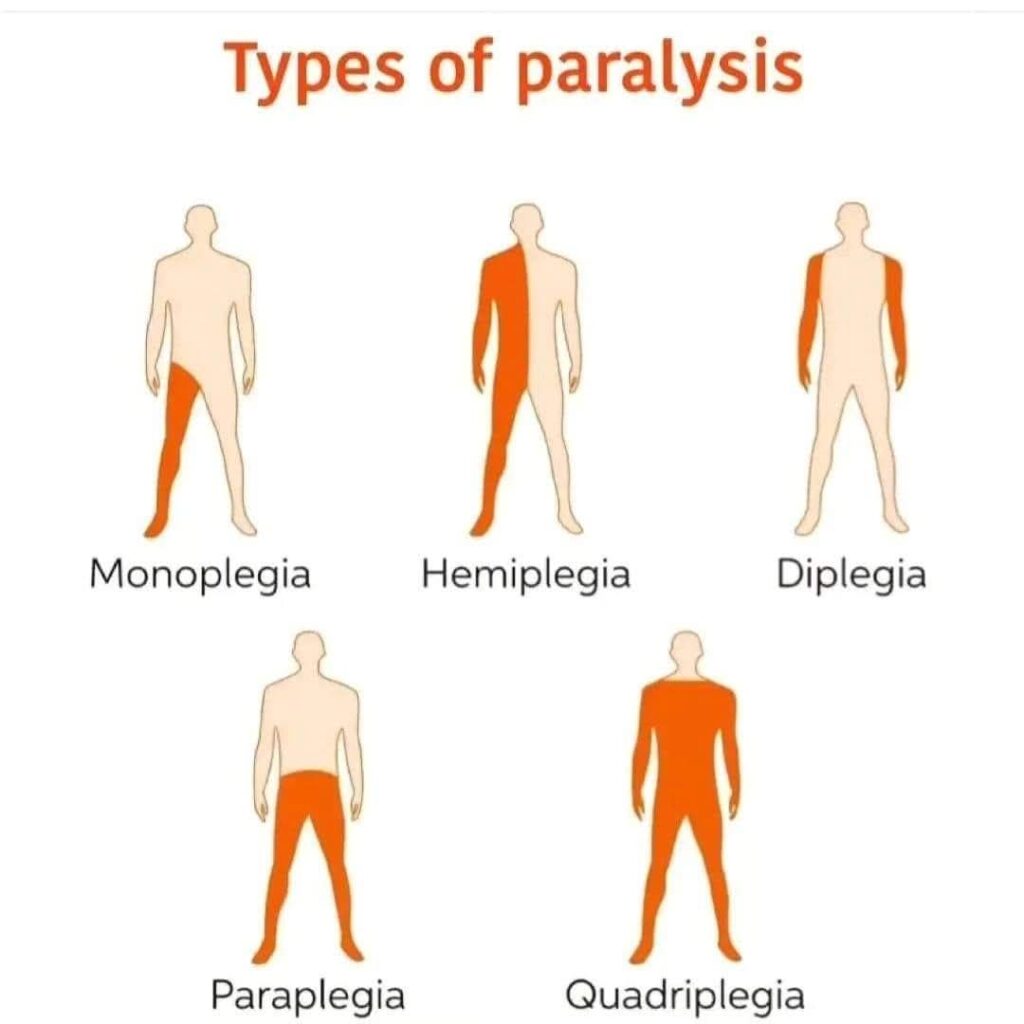
Paralysis can be temporary or long-term, partial or complete, affecting one limb or multiple limbs, depending on the cause and severity. The encouraging reality is that even when paralysis seems complete, rehabilitation can help individuals regain movement and independence through retraining the nervous system.
Understanding that paralysis is not necessarily permanent is crucial. Many people experience partial recovery of movement through intensive rehabilitation. Others learn adaptive techniques that allow them to maintain independence and participate in activities that matter to them.
Common Causes of Paralysis
Paralysis can result from several different causes, each with its own recovery trajectory. Stroke is one of the most common causes of paralysis in adults. A stroke occurs when blood flow to part of the brain is blocked, damaging nerve cells that control movement. The good news is that 9 out of 10 stroke survivors can recover from paralysis with proper rehabilitation.
Spinal cord injuries occur from traumatic accidents, falls, or sports injuries and can cause paralysis affecting different parts of the body depending on the level and severity of injury. However, many people with incomplete spinal cord injuries experience partial recovery of function over time through intensive rehabilitation.
Bell’s palsy is a condition affecting the facial nerve that causes temporary weakness or paralysis on one side of the face. The encouraging news is that most people with Bell’s palsy recover completely within a few weeks to months, with full facial function returning.
Other causes include brain injuries, neurological conditions, infections, and pressure on nerves from tumours or other conditions. Regardless of the cause, early and intensive rehabilitation offers the best opportunities for recovery.
How Paralysis Develops and Why Recovery Is Possible
When paralysis occurs, the pathway between the brain and muscles is disrupted. However, the brain has a remarkable ability called neuroplasticity—the ability to reorganize itself and form new neural pathways. By engaging neuroplasticity through repetitive rehabilitation exercises, healthy parts of the brain can learn to take over control from areas that were damaged.
This is why rehabilitation works. When you repeatedly practice movements with a therapist or through therapeutic exercises, you are essentially retraining your brain and nervous system. Early exercise is crucial in paralysis recovery as it prevents muscle deterioration, maintains joint flexibility, and stimulates neural pathways. The sooner you start rehabilitation after paralysis, the better your recovery potential.
Research shows that the brain is most neuroplastic in the first 90 days after a stroke, meaning it has the greatest ability to repair and learn during this period. However, recovery can continue for months and even years with consistent, dedicated rehabilitation.
The Importance of Early Rehabilitation
The timing of rehabilitation dramatically impacts recovery outcomes. From 24 hours after a stroke, physiotherapists begin rehabilitation with short, frequent sessions focused on getting the person out of bed, standing, and walking. This early movement stimulates the nervous system and begins the recovery process.
Intensive rehabilitation with a minimum of 45 minutes of therapy five days a week has been shown to significantly improve recovery of function and mobility. This intensive approach works because repetition strengthens neural pathways. The more you practice a movement, the stronger the neural connections become.
Moving your affected limbs, even passively with help from a therapist, stimulates recovery. If you cannot move a limb yourself, passive movement performed by a therapist or caregiver still activates the nervous system and promotes neuroplasticity. This is why early, consistent rehabilitation is so important—every movement counts.
Comprehensive Rehabilitation Approaches
Modern paralysis rehabilitation addresses the whole person—physical, emotional, and functional aspects of recovery. Comprehensive rehabilitation programs combine multiple therapeutic approaches to maximize recovery and independence.
Physical Therapy for Movement Recovery
Physical therapy focuses on retraining movement through targeted exercises. A therapist ensures exercises are performed correctly and safely to improve mobility, strengthen muscles, and prevent complications. Through consistent practice, muscles regain strength and control, and the brain relearns how to coordinate movement.
Range-of-motion exercises maintain joint flexibility and prevent stiffness. Functional electrical stimulation uses gentle electrical impulses to activate muscles, helping them contract and regain control. These techniques work together to stimulate recovery.
Occupational Therapy for Independence
While physical therapy focuses on movement, occupational therapy teaches you how to perform daily activities again. Occupational therapists help individuals regain independence in activities like grooming, eating, bathing, dressing, and returning to work or school. Therapists also recommend adaptive equipment and techniques that allow you to accomplish tasks even if movement is still limited.
Emerging Treatments and Advanced Options
Beyond traditional rehabilitation, modern medicine offers innovative options. Stem cell therapy shows promising results for spinal cord injuries by regenerating damaged nerve cells and tissues. Neurostimulation and functional electrical stimulation devices send electrical impulses to stimulate nerves and muscles, helping patients regain movement and control.
Mirror therapy, where patients watch their unaffected hand performing exercises in a mirror, “tricks” the brain into thinking the affected hand is moving, promoting neuroplasticity and motor recovery. These innovative approaches complement traditional rehabilitation and enhance recovery outcomes.
Recovery Stages and Timeline
Recovery from paralysis typically follows stages. Immediately after the injury, the focus is on medical stabilization and preventing complications. Once medically stable, patients transition to rehabilitation, working with a team including physiatrists, physical therapists, occupational therapists, speech therapists, and psychologists.
Survivors typically experience the fastest improvements in function during the first six months of recovery, thanks to spontaneous recovery when neuroplasticity is most active. However, this does not mean recovery stops after six months. Rehabilitation should continue for as long as the person shows measurable benefits from treatment. Many people continue making progress for months and even years after their initial injury.
For facial paralysis like Bell’s palsy, recovery often happens more quickly. Most people show obvious signs of recovery within the first three weeks, with complete recovery occurring within a few weeks to months. The stages include the flaccid stage where muscles are weak, the paretic stage where muscles begin to regain firmness and shape, and finally full recovery.
Adaptive Equipment and Assistive Devices
As you progress through rehabilitation, various devices and equipment help maintain independence and improve function. Mobility aids like wheelchairs allow independent movement. Braces, canes, and walkers provide support for standing and walking. Adaptive equipment like special eating utensils, grips, and bathroom equipment make daily activities easier.
These assistive devices and adaptive techniques help compensate for limited movement and promote functional independence and improved quality of life. With the right equipment and training, you can accomplish many activities independently, even if complete movement recovery takes time.
The Role of Family and Support
Recovery from paralysis is not a journey you take alone. Family members and caregivers are essential partners in rehabilitation, providing encouragement, assistance with exercises, and emotional support. The psychological aspects of recovery are just as important as the physical—understanding that recovery is possible and celebrating small progress maintains motivation and hope.
Why You Should See a Neurologist
A neurologist specializes in nervous system disorders and is best equipped to evaluate paralysis, determine the underlying cause, and develop a comprehensive treatment plan. A neurologist can order appropriate tests, prescribe medications to support recovery, coordinate rehabilitation services, and monitor your progress.
Early neurological evaluation is crucial because the cause of paralysis determines the treatment approach. A stroke requires different management than a spinal cord injury, which requires different management than Bell’s palsy. A neurologist ensures you receive the right treatment for your specific condition.
Living Well After Paralysis
Many people with paralysis go on to work, pursue education, maintain relationships, and enjoy fulfilling lives. With intensive rehabilitation, adaptive equipment, and determination, individuals can regain significant independence and participate in activities that matter to them.
The key to successful recovery includes staying committed to rehabilitation even when progress seems slow, learning and practising movements repeatedly, using adaptive equipment and techniques, maintaining psychological wellbeing, and staying engaged with family, friends, and community. Because repetition and consistency are the biggest factors for recovery, maintaining regular rehabilitation and staying motivated throughout the process leads to the best outcomes.
Frequently Asked Questions About Paralysis
Is paralysis always permanent?
No. Many people recover movement through rehabilitation. Factors affecting recovery include the cause of paralysis, severity, age, overall health, and how quickly and intensively rehabilitation begins. Even in cases where complete recovery does not occur, many people regain significant function and independence.
When should rehabilitation start?
Rehabilitation should begin as soon as the person is medically stable, often within 24 hours of stroke. Early rehabilitation dramatically improves outcomes. However, rehabilitation can help at any stage—even months or years after paralysis occurs, people continue to make progress.
How long does recovery take?
Recovery timelines vary greatly depending on the cause and severity of paralysis. Some people, especially those with Bell's palsy, recover in weeks. Others take months or longer. The important thing is that progress can continue for years with dedicated rehabilitation.
Can I recover from complete paralysis?
Recovery from complete paralysis depends on the cause and severity. However, with intensive rehabilitation and modern treatments, many people regain at least partial movement and significant independence. Even if complete movement recovery does not occur, rehabilitation dramatically improves function and quality of life.
What role does my brain play in recovery?
Your brain's neuroplasticity—its ability to reorganize and form new neural pathways—is central to paralysis recovery. By repeatedly practising movements, you teach healthy parts of your brain to take over control from damaged areas. This is why repetition and consistency in rehabilitation are so important.
Will I need to use assistive devices forever?
Some people transition from assistive devices as recovery progresses. Others benefit from continued use. The goal is maximum independence with or without devices. Many people find that devices enable independence and improve quality of life.
Can I go back to work?
Many people return to work, either to their previous job or adapted work. The timeline depends on your recovery and the demands of your job. Working with occupational therapists helps identify modifications that allow you to perform your job safely.
Is it too late to start rehabilitation?
It is never too late. While early rehabilitation offers the fastest recovery, people continue to make progress months and years after paralysis. If you have not received rehabilitation, starting now can still lead to significant improvements.
How important is family support?
Family support is very important for psychological wellbeing, motivation, and physical assistance during recovery. However, many people recover successfully with professional support from therapists and caregivers as well. Professional support combined with family encouragement creates the best environment for recovery.
Are there new treatments for paralysis?
Yes. Stem cell therapy, electrical stimulation, neurostimulation devices, and other innovative treatments are showing promising results. Talk to your neurologist about what options might be appropriate for your specific situation.
What if I feel depressed or hopeless about my recovery?
Depression is common after paralysis and is very treatable. Speak with your doctor about mental health support. Psychological therapy, support groups, and sometimes medication can help. Remember that many people recover significant function and go on to live fulfilling lives.
Important Note
This page is for educational purposes only. It cannot replace a personal consultation with a doctor who knows your full medical history. If you are experiencing paralysis or have concerns about your recovery, seek medical advice promptly.
This content does not replace professional medical advice, diagnosis, or treatment. Always consult a qualified healthcare provider for questions about your health.
More Information & Next Steps
If you are looking for more information or want to discuss your symptoms with a specialist, you can use the links below: