
Agitation
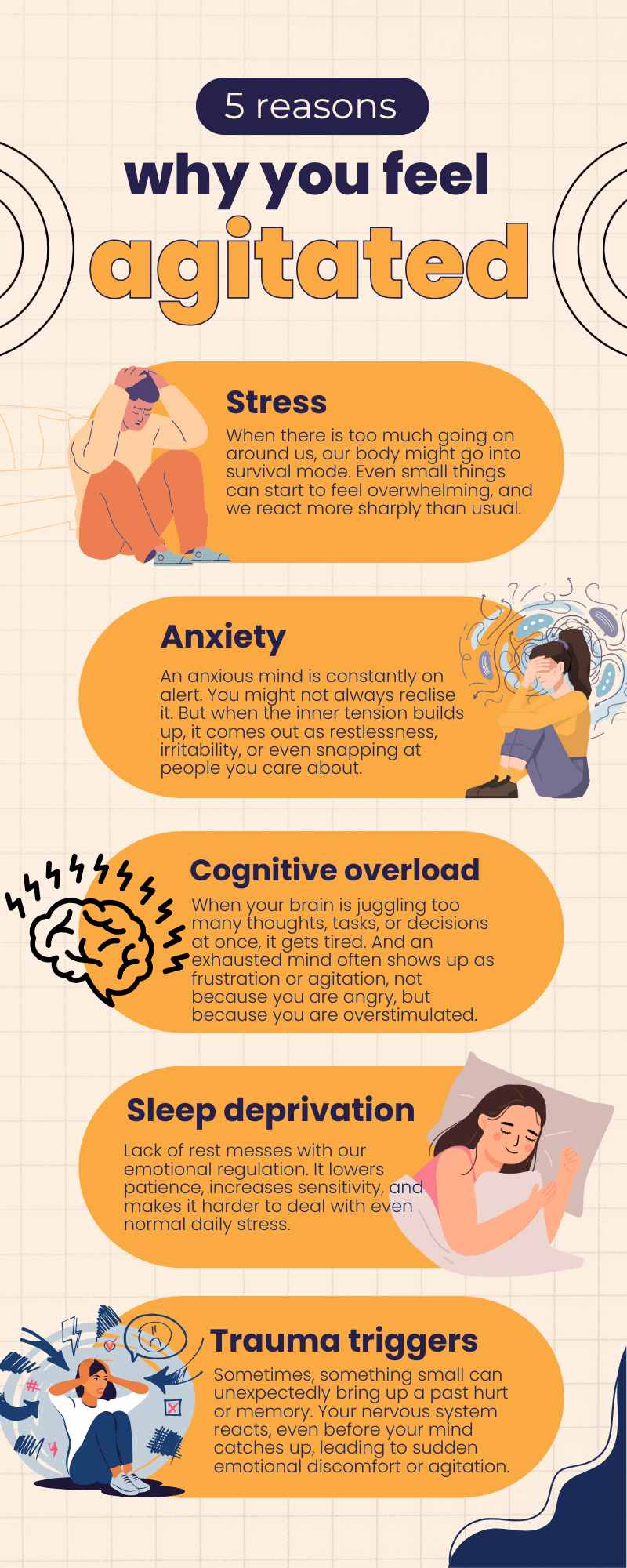
Agitation: Understanding Restlessness, Causes, and Finding Calm
Feeling restless, irritable, unable to sit still, or internally stirred up can be deeply uncomfortable. But the encouraging news is that agitation is highly manageable when you understand its underlying cause and receive appropriate treatment. With proper diagnosis, targeted intervention, and support, most people find ways to manage agitation effectively and restore calm and peace. This page explains what agitation is, what causes it, how it is recognized, and what strategies and treatments help. It is for education only and does not replace advice from your own doctor.
Understanding Agitation
Agitation is an unpleasant state of extreme arousal and restlessness. An agitated person may feel stirred up, excited, tense, confused, irritable, or unable to stay calm. Agitation manifests as both mental and physical symptoms. Mentally, you might experience racing thoughts, anxiety, or difficulty concentrating. Physically, you might pace, fidget, move unnecessarily, engage in repetitive movements, or have difficulty sitting still. Some people express agitation as irritability or anger, while others withdraw or become internally distressed.
It is important to understand that agitation itself is not a disease or condition—it is a symptom. Agitation can result from many different causes including neurological, psychiatric, medical, infectious, toxic, metabolic, and substance-related factors. Identifying and addressing the underlying cause is key to managing agitation effectively. This is why proper evaluation by a healthcare provider is so important.
Common Medical Causes of Agitation
Many physical medical conditions can trigger agitation. Infections, particularly in older adults, can cause agitation as a primary symptom. Urinary tract infections, pneumonia, and other infections may cause agitation before other symptoms become obvious. Thyroid problems, particularly an overactive thyroid (hyperthyroidism), cause increased arousal and agitation. Heart, lung, liver, and kidney disease can cause agitation through multiple mechanisms. Blood sugar problems, particularly low blood sugar, cause nervousness and agitation.
Pain is a frequently overlooked cause of agitation, particularly in older adults and people with dementia who may have difficulty expressing pain verbally. Unaddressed pain drives agitation and restlessness as the body and mind struggle with discomfort. Fever, dehydration, lack of sleep, and medication side effects can all contribute to agitation. Vitamin deficiencies, particularly B6 and B12 deficiencies, can cause agitation symptoms.
The important message is that many causes of agitation are very treatable. Once identified and addressed, agitation often resolves completely.
Psychiatric and Mental Health Causes
Agitation commonly occurs with mental health conditions including anxiety disorders, depression, bipolar disorder, schizophrenia, and post-traumatic stress disorder. In anxiety and panic disorders, agitation manifests as restlessness, worry, and physical tension. In depression, agitation may appear as irritability or restless fidgeting. In bipolar disorder during manic episodes, agitation can be severe with racing thoughts and intense physical activity. In schizophrenia, agitation may relate to internal experiences or distressing thoughts.
Dementia and Alzheimer’s disease commonly cause agitation. As the brain changes with dementia, processing new information becomes difficult, and neurotransmitter imbalances occur that can trigger agitation. Stress, trauma, new environments, or changes in routine can trigger or worsen agitation in people with cognitive decline.
Substance-Related and Neurological Causes
Alcohol intoxication or withdrawal can cause agitation, as can intoxication or withdrawal from drugs of abuse including cocaine, marijuana, methamphetamine, and opioids. Caffeine intoxication from excessive coffee or energy drinks can cause significant agitation. Nicotine withdrawal leads to restlessness and irritability. Some medications, including steroids, amphetamines, and certain stimulants, can cause agitation as a side effect.
Neurological conditions including traumatic brain injury, seizure disorders, Parkinson’s disease, and certain autism spectrum presentations can involve agitation. These conditions affect brain regions and neurotransmitter systems involved in impulse control and emotional regulation.
Recognizing Agitation Symptoms
Agitation presents with various manifestations. Behavioral signs include pacing, inability to sit still, fidgeting or hand-wringing, restlessness, talking rapidly or excessively, and performing repetitive movements without clear purpose. Some people become argumentative, irritable, or hostile, while others become withdrawn or display verbal or physical aggression toward objects or people. Mental symptoms include racing thoughts, difficulty concentrating, anxiety, irritability, and difficulty maintaining focus on conversations or tasks.
Physical symptoms may include increased heart rate, rapid breathing, muscle tension, sweating, and trembling. Some people describe feeling internally “wound up” or “on edge.” The intensity varies—some people experience mild agitation as a background restlessness, while others experience severe agitation that is distressing and disruptive.
When to Seek Medical Attention
Seek medical attention if you are experiencing persistent agitation lasting days or longer, if agitation interferes with work, relationships, or daily functioning, if you have sudden onset agitation without clear trigger, or if agitation is worsening. Seek urgent attention if agitation involves thoughts of harming yourself or others, if you feel completely out of control, if agitation follows a head injury or accident, or if agitation occurs with confusion, fever, or difficulty breathing.
Early evaluation is important because treating the underlying cause often resolves agitation quickly. Do not assume agitation is just anxiety or stress—many treatable medical conditions cause agitation as a primary symptom.
How Agitation Is Evaluated
Your doctor begins by asking detailed questions about your agitation. When did it start? What does it feel like? What makes it better or worse? Have you experienced stress, trauma, or major life changes? Do you have medical conditions? What medicines do you take? Do you use alcohol, caffeine, or other substances? This information helps identify potential causes.
Your doctor performs a physical examination, checking vital signs, overall health, and mental status. They assess your mood, thought processes, and behavior. Blood tests may be ordered to check for infections, thyroid problems, blood sugar issues, vitamin deficiencies, and other metabolic causes. For some people, neurological testing or brain imaging is necessary to rule out neurological causes.
Psychiatric evaluation helps identify mental health conditions contributing to agitation. This comprehensive approach ensures the underlying cause is identified and appropriate treatment can begin.
De-escalation and Environmental Strategies
The first step in managing agitation is often creating a calm, safe environment and using de-escalation techniques. Speaking calmly, using a gentle tone, listening actively without judgment, and showing empathy can de-escalate agitation. Reduce environmental stimulation—dim lighting, quiet surroundings, and minimal clutter help. Allowing the person control and choices when possible reduces frustration.
For someone experiencing agitation, remove environmental triggers if possible. Pain should be addressed—pain management significantly reduces agitation. Ensure adequate sleep, proper nutrition, and hydration. Establish predictable routines, as unpredictability often worsens agitation. In dementia care, person-centered approaches focusing on understanding individual needs and preferences, alongside recreational and music therapy, effectively reduce agitation.
These environmental and behavioral strategies are often very effective, particularly for mild to moderate agitation, and should be tried first before moving to medication.
Treatment Approaches
Treatment depends on the underlying cause. When a specific cause is identified—infection, thyroid problem, low blood sugar, medication side effect, or pain—treating that cause often resolves agitation. If medication is causing agitation, your doctor may adjust the dose or switch medications.
For agitation related to mental health conditions, cognitive behavioral therapy (CBT) helps develop coping mechanisms and manage triggers, while mindfulness and relaxation techniques reduce distress. Therapy helps you build awareness of what triggers your agitation and develop healthier responses.
For psychomotor agitation, medications may include antipsychotics for schizophrenia or severe agitation, mood stabilizers for bipolar disorder, antidepressants for depression-related agitation, and benzodiazepines for acute anxiety-related agitation. Medications are chosen based on the underlying condition and are most effective when combined with therapy and lifestyle changes.
Lifestyle and Coping Strategies
Daily practices help manage agitation effectively. Regular physical exercise, whether walking, yoga, or swimming, releases excess energy and has a calming effect on the nervous system. Deep breathing exercises, progressive muscle relaxation, and meditation reduce arousal levels. Structured routines provide predictability and reduce anxiety. Maintaining consistent sleep schedules, limiting caffeine, and avoiding excessive stimulation support calm.
Keeping a journal to identify patterns and triggers helps you understand what escalates your agitation and what helps. Breaking tasks into smaller, manageable pieces prevents feeling overwhelmed. Seeking social support and connection helps address emotional needs that may contribute to agitation. These strategies work best as part of a comprehensive approach that includes professional treatment.
When You Should See a Neurologist
A neurologist is helpful when agitation may relate to neurological causes. If agitation follows head injury or trauma, involves seizures, occurs with movement disorders, or is associated with neurodegenerative diseases, a neurologist can evaluate for neurological causes. Neurologists can also coordinate care when multiple specialists are involved.
You should see a neurologist if your agitation is not improving with treatment, if you have other neurological symptoms, if there is family history of neurological conditions, or if you need evaluation for complex cases.
Frequently Asked Questions About Agitation
Is agitation the same as anxiety?
While related, they are different. Agitation is visible restlessness and physical activity—pacing, fidgeting, inability to sit still. Anxiety is worry and nervousness, which may be internal and not visually apparent. Agitation can occur without anxiety, and anxiety can occur without agitation.
Can agitation be a medical emergency?
Yes, if agitation involves thoughts of self-harm or harming others, severe out-of-control behavior, or agitation accompanied by confusion, severe headache, or difficulty breathing. Seek emergency care in these situations.
How long does agitation typically last?
Duration varies greatly. Agitation from stress may resolve in hours. Agitation from medical causes may resolve once the cause is treated. Agitation from chronic mental health conditions may persist unless treated. Early treatment often shortens duration significantly.
What should I do if someone I know is agitated?
Stay calm and speak gently. Do not argue or challenge them. Listen without judgment. Reduce environmental stimulation. Do not physically restrain them unless they are a danger to themselves or others. If agitation is severe or involves violence, seek professional help.
Can medication cause agitation?
Yes. Some medications, particularly stimulants, steroids, and certain antipsychotics, can cause agitation as a side effect. If you suspect medication is causing agitation, talk to your doctor—they may adjust dosage or switch medications.
Is agitation preventable?
While you cannot always prevent agitation, managing underlying conditions, limiting caffeine and alcohol, maintaining good sleep, managing stress, and treating pain and infections reduce your risk significantly.
Can agitation improve with just lifestyle changes?
Lifestyle changes can significantly help, particularly for mild agitation. However, agitation from medical or psychiatric causes often requires professional treatment in addition to lifestyle changes.
What does it mean if agitation comes suddenly?
Sudden agitation often indicates an underlying cause that has just developed—infection, medication side effect, blood sugar problem, or acute psychiatric episode. Sudden agitation warrants medical evaluation to identify the cause.
Is agitation a sign of dementia?
Agitation can occur in dementia, but it also occurs in many other conditions. Agitation alone is not diagnostic of dementia. Evaluation is needed to determine the cause.
How do I support someone managing agitation?
Be patient and understanding. Avoid triggers when possible. Maintain calm, consistent routines. Encourage healthy habits like exercise and sleep. Support their treatment compliance. Celebrate progress. Seek support for yourself as caregiver.
Can children experience agitation?
Yes. Children can experience agitation from similar causes as adults—medical conditions, anxiety, behavioral disorders, ADHD, trauma, and autism spectrum conditions. Early evaluation and treatment help children manage agitation effectively.
Important Note
This page is for educational purposes only. It cannot replace a personal consultation with a doctor who knows your full medical history. If you are experiencing persistent or concerning agitation, seek medical evaluation promptly.
This content does not replace professional medical advice, diagnosis, or treatment. Always consult a qualified healthcare provider for questions about your health.
Last Updated: November 2025
More Information & Next Steps
If you are looking for more information or want to discuss your symptoms with a specialist, you can use the links below: