Functional Neurological Disorder
Functional Neurological Disorder: Understanding Symptoms, Recovery, and Rebuilding Confidence
Real neurological symptoms without structural brain damage sound contradictory, but Functional Neurological Disorder (FND) is a legitimate, well-established medical condition affecting millions worldwide. The encouraging news is that most people recover significantly or completely with proper diagnosis, understanding, and comprehensive treatment. Recovery is possible, and many people regain full function and rebuild their lives. This page explains what FND is, what causes it, how it is diagnosed, and what treatments help you recover. It is for education only and does not replace advice from your own doctor.
Understanding Functional Neurological Disorder
Functional Neurological Disorder, formerly called conversion disorder, is a medical condition characterized by real neurological symptoms that cannot be explained by structural or genetic neurological disease. FND causes symptoms affecting movement, sensation, and other bodily functions, but the brain and nervous system are structurally intact—no physical damage occurs.
This is a crucial distinction. Your symptoms are real. They are not imagined, feigned, or psychosomatic in the outdated sense. The brain’s nervous system function is genuinely disrupted, causing real physical symptoms. However, because no structural damage exists, these symptoms can be reversed through proper treatment and rehabilitation, which is why recovery is possible.
FND is surprisingly common. It is the second most common reason people consult neurologists, after headaches, affecting between 1 to 18 per 100,000 children and 10 to 22 per 100,000 adults.
How FND Develops
FND typically develops when emotional distress and psychological stress become so overwhelming that the brain expresses that distress through physical symptoms rather than conscious emotional awareness. Emotional triggers like stress, trauma, or anxiety often precede FND development. This does not mean the condition is “all in your head”—it means your brain is genuinely processing emotional distress into physical neurological symptoms.
The brain regions involved in processing emotion and controlling movement are closely connected. When overwhelmed by emotional stress, the brain disrupts normal neural pathways, causing real weakness, tremors, numbness, or sensory changes. Your brain’s response is involuntary—you cannot simply “will away” FND symptoms because they are not under conscious control.
Risk factors include recent significant stress, past trauma, existing neurological conditions, family history of neurological or psychiatric disorders, and untreated mental health conditions like anxiety or depression.
Recognizing FND Symptoms
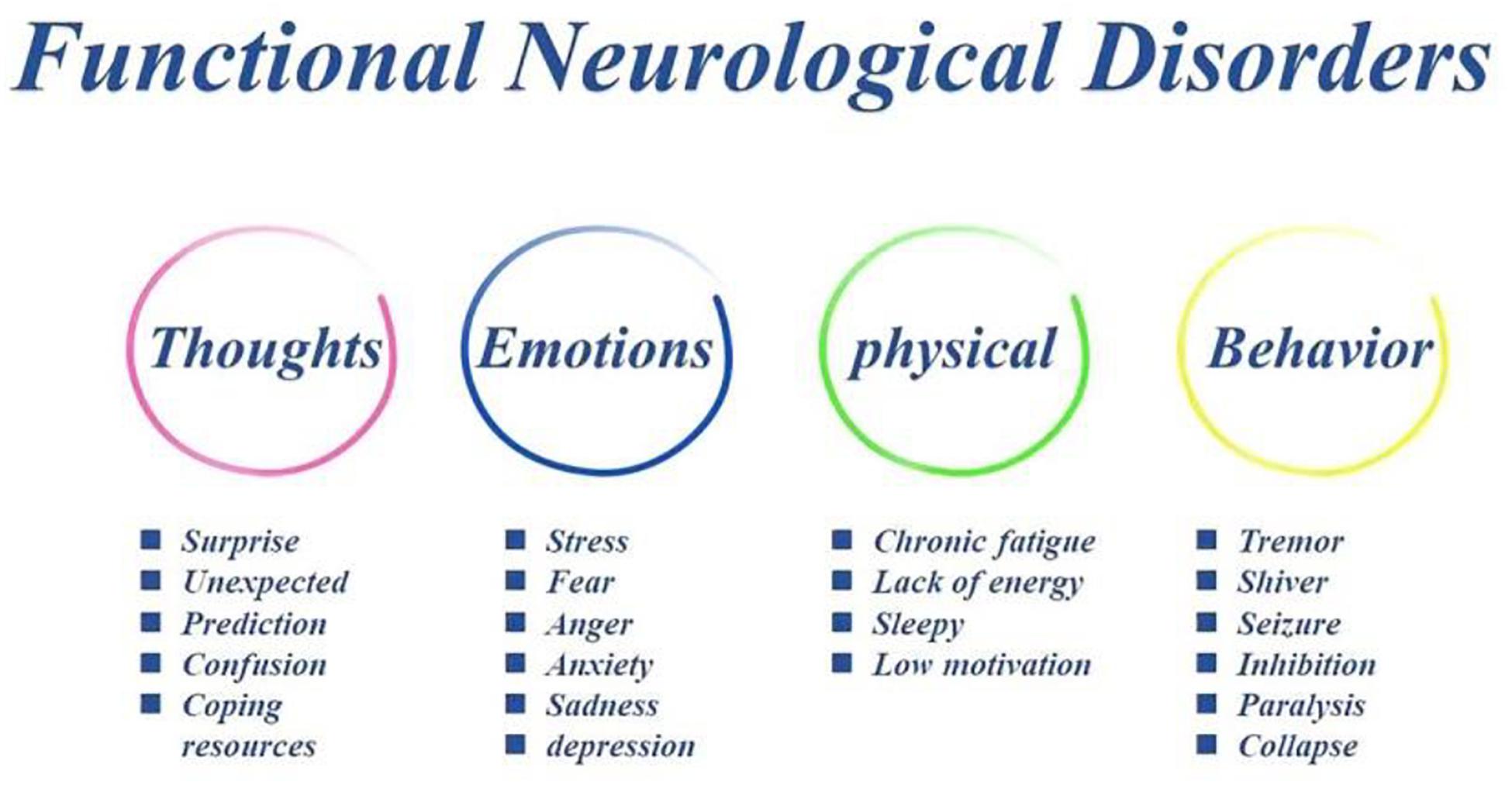
FND can affect movement and sensation in many ways. Movement symptoms include weakness or paralysis affecting limbs, tremors or shaking, difficulty with balance or coordination, problems walking (including unusual gait patterns), involuntary movements, muscle spasms, and difficulty swallowing. Sensory symptoms include numbness in patterns that do not match nerve distributions, loss of sensation in limbs, visual problems or blindness, deafness or hearing loss, and loss of smell or taste.
Other symptoms include episodes resembling seizures (called functional seizures or non-epileptic seizures), memory loss or cognitive difficulties, and loss of consciousness. Notably, symptoms are often inconsistent and variable—the same movement might work one moment and not another, or symptoms might change depending on attention or distraction.
The Importance of Early Diagnosis
Early recognition of FND is crucial because early diagnosis and intervention significantly improve recovery outcomes. Many people with FND experience years of testing, misdiagnosis, and frustration before correct diagnosis occurs. During these years, symptoms may worsen as the person becomes more disabled and deconditioned.
Getting proper diagnosis quickly is important because understanding your diagnosis is itself prognostic—people who understand they have FND recover better than those confused about their condition. Proper diagnosis also prevents unnecessary investigations and allows appropriate treatment to begin immediately.
How FND Is Diagnosed
Diagnosis is based on positive clinical signs and symptoms, not on absence of findings. Your neurologist looks for specific patterns inconsistent with organic neurological disease. Hoover sign, tremor entrainment test, and other clinical tests help confirm FND diagnosis and demonstrate that movement control is preserved, just not available to conscious awareness.
Imaging and standard tests are typically normal—no brain lesions, no structural abnormalities. However, this normality is actually reassuring because it means no permanent damage exists and recovery is possible. The diagnosis cannot be made solely by exclusion—modern diagnosis relies on recognizing specific positive FND features.
Treatment: A Multidisciplinary Approach
Most effective FND treatment is multidisciplinary, addressing both physical and psychological aspects simultaneously. Physical rehabilitation significantly improves outcomes, with studies showing 60 to 70% of people improving with appropriate physical therapy. Physiotherapy focuses on retraining movement patterns, improving balance, reducing tremor, and restoring confidence in physical abilities.
Cognitive Behavioral Therapy (CBT) helps identify and address psychological triggers, develop healthier coping strategies, and process emotional stress underlying FND. Trauma-focused therapy addresses past trauma contributing to symptoms. Talk therapy provides supportive space for processing feelings and building understanding of the mind-body connection.
Occupational therapy helps restore daily functioning and independence. Speech therapy addresses communication difficulties if present. Early intensive rehabilitation in inpatient settings often produces superior outcomes to outpatient treatment, particularly for severe cases.
The Recovery Process
Recovery from FND is real and achievable. People generally make full recovery, though recovery trajectories vary. Some people experience rapid symptom resolution while others progress more gradually. Recovery is rarely straightforward—the process typically involves ups and downs, breakthroughs and setbacks.
Progress can feel frustratingly slow for some people, particularly as they work to reverse months or years of deconditioning and learned disability. Setbacks are common and usually do not mean treatment is failing—they reflect that FND recovery is complex. Persistence through difficult periods is important, as continued rehabilitation typically leads to ongoing improvement.
Understanding What Recovery Means
Important to clarify: recovery from FND means restoration of function and resolution of symptoms, not simply accepting the condition. With proper treatment, most people regain their previous abilities and return to work, school, and activities. Complete functional recovery with normal movement, balance, and elimination of prior symptoms is possible.
Some people describe recovery as gradual—steady incremental progress as they rebuild confidence in their body and brain. Others describe more rapid recovery once psychological triggers are addressed. Individual variations are common, but the message is consistent: recovery is achievable, and your brain’s capacity for recovery is remarkable.
Validation and Understanding: Keys to Recovery
A critically important aspect of treatment is validation that your symptoms are real and not imagined. Many people with FND have been told “it’s all in your head” or received suggestions that symptoms are not real. This is harmful and delays recovery. Your symptoms are genuine, caused by nervous system dysfunction, not by malingering or imagination.
Understanding how your brain developed these symptoms—as a response to overwhelming emotional stress—helps you understand that recovery is possible because no structural damage has occurred. Your nervous system can be retrained and restored to normal function through appropriate rehabilitation and psychological support. This understanding itself is therapeutic and prognostic for recovery.
Managing Setbacks and Long-Term Success
Recovery from FND often includes setbacks, which can occur for no apparent reason. Setbacks do not indicate failure or that recovery is not happening—they are part of the nonlinear recovery process. Managing setbacks involves recognizing them as temporary, continuing with rehabilitation and coping strategies, seeking support when needed, and maintaining perspective that overall trajectory is toward recovery.
Stress reduction techniques including mindfulness, deep breathing, biofeedback, and relaxation practices help prevent symptom recurrence and support long-term stability. Maintaining structured rehabilitation even as symptoms improve helps consolidate gains and prevent relapse.
Why You Should See a Neurologist
A neurologist is essential for FND diagnosis and management. Neurologists are trained to recognize FND’s specific features, perform diagnostic testing to confirm FND, rule out other neurological conditions that might coexist, explain the diagnosis clearly, and coordinate appropriate referrals for comprehensive multidisciplinary treatment.
Providing clear diagnosis helps expedite care, reduce disability, and set the foundation for successful treatment. You should see a neurologist if you suspect you have FND, if you have been diagnosed with FND and need treatment guidance, or if you have been struggling with unexplained neurological symptoms.
Frequently Asked Questions About Functional Neurological Disorder
Is FND real or is it psychological?
FND is real neurological dysfunction caused by nervous system dysfunction. However, the cause is related to psychological stress rather than structural brain disease. Your symptoms are genuine, not imagined. FND is a recognized medical diagnosis, not a psychiatric problem in the traditional sense.
Can FND symptoms disappear on their own?
Spontaneous resolution can occur, particularly if underlying stress is quickly resolved. However, without appropriate treatment, symptoms often persist or recur. Professional treatment significantly improves outcomes and speeds recovery compared to spontaneous resolution.
How long does FND recovery take?
Recovery timelines vary greatly. Some people recover rapidly over weeks or months, while others progress more gradually over months to years. The important message is that recovery does occur, and continued improvement is possible even when progress feels slow.
Is FND permanent?
No. FND is reversible because no structural brain damage occurs. Symptoms can resolve completely with proper treatment. While some people experience recurrent episodes during times of stress, complete recovery is achievable.
Can FND be cured?
Recovery means restoration of normal function and resolution of symptoms. While relapse is possible during future stressful periods, this is different from the condition being "permanent." Learning healthy coping strategies and stress management helps prevent recurrence.
What if I don't believe I have FND?
Understanding and accepting your FND diagnosis is essential for recovery. Understandably, FND can be difficult to accept initially. However, understanding that your symptoms are real neurological dysfunction—not imagination or malingering—and that they are reversible helps you engage fully in treatment. Many people find that accepting FND diagnosis is actually liberating because it opens the path to recovery.
Will FND medication help?
No specific medication treats FND itself. However, medications treating co-occurring anxiety or depression can help, as can pain management if pain is present. The main treatment involves rehabilitation therapy, psychological therapy, and understanding the condition.
Can I work or study while recovering from FND?
Many people continue working or studying, often with modifications or accommodations. Return to full activity should be gradual, guided by your treatment team. Starting with reduced hours or simplified tasks and gradually increasing demands helps build confidence and function.
Is FND the same as malingering?
No. Malingering is intentional fabrication of symptoms for secondary gain, which is conscious and voluntary. FND symptoms are involuntary and genuine nervous system dysfunction. People with FND cannot simply choose to stop symptoms.
Can FND exist alongside other medical conditions?
Yes. Some people with FND also have other neurological or medical conditions. Having both FND and another condition complicates diagnosis but does not change FND treatment. Both conditions require appropriate management.
What does recovery from FND actually look like?
Recovery varies individually but typically involves gradual return of normal function—regaining ability to walk, move, or use affected limbs; resolution of weakness or numbness; returning to work or school; resuming activities and hobbies; and rebuilding confidence in your body and abilities. For some, recovery is complete restoration of pre-illness function.
Important Note
This page is for educational purposes only. It cannot replace a personal consultation with a doctor who knows your full medical history. If you suspect you have FND, seek evaluation from a neurologist promptly.
This content does not replace professional medical advice, diagnosis, or treatment. Always consult a qualified healthcare provider for questions about your health.
More Information & Next Steps
If you are looking for more information or want to discuss your symptoms with a specialist, you can use the links below: